Valorant
Valorant: Advanced tactics breakdown
Valorant players often ask how to improve faster without wasting hours on the wrong habits. This guide covers practical fundamentals, session structure, and update-aware habits so you can perform consistently in live matches.
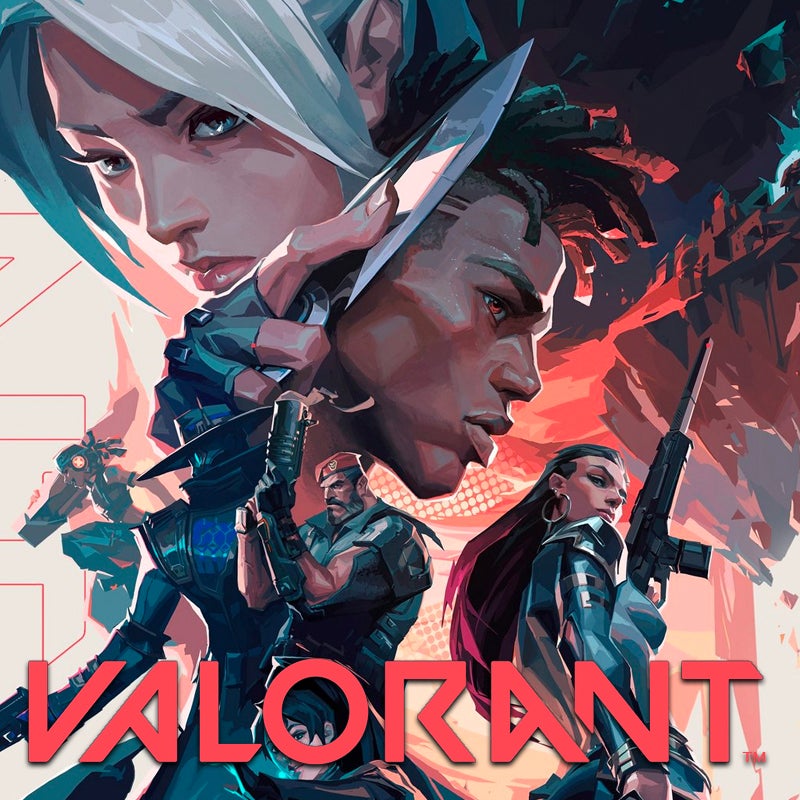
Valorant fundamentals for new players
Valorant rewards players who understand open-world exploration before chasing advanced tricks. Start by learning spawn logic, safe rotations, and how teams collapse on objectives.
Spend your first sessions building loadout planning instead of forcing high-risk plays. Consistent fundamentals carry over every season and make later optimization much easier.
Optimizing performance in open-world exploration
Frame stability matters in Valorant, especially when fights break out in open-world exploration. Lower unnecessary background apps, cap effects that spike GPU usage, and test settings in private lobbies before ranked play.
Audio cues and crosshair discipline often decide fights before raw aim does. Practice tracking moving targets and pre-aim common angles tied to map awareness.
Staying current with input latency
Valorant shifts after input latency, so recheck your settings after each major update. Patch notes usually highlight weapon tuning, movement changes, or new detection layers worth adjusting for.
Keep a short checklist: verify binds, confirm overlay compatibility, and run one low-stakes match in ranked playlists to validate that your setup still feels responsive.
Long-term improvement plan
Review one VOD or replay each week and note where loadout planning broke down. Small fixes—better spacing, cleaner trades, smarter resets—compound faster than random queue grinding.
Pair practice with rest days. Valorant muscle memory builds when sessions stay focused, not when marathon queues leave you tired and sloppy.
For more game updates, guides, and related resources, you can also explore related resources.